



40/50 Penetration Graded Bitumen / Asphalt Cement
40/50 penetration grade bitumen is a hard paving-grade asphalt cement. Its needle penetration at 25 °C measures 40 to 50 tenths of a millimetre (0.1 mm).
It is the hardest of the four penetration grades Pro-Road Global makes and exports. A lower penetration number means a harder binder, so 40/50 sits at the stiff end of the scale. Engineers specify it when a mix must hold its shape under heat and heavy load. Pro-Road Global supplies this penetration graded bitumen to contractors and asphalt producers. It gives buyers a consistent, standard-compliant binder from a reliable alternative source.
Where Does 40/50 Bitumen Fit?
40/50 bitumen fits hot climates that carry heavy, slow-moving traffic. Two questions decide the grade: how hot the pavement gets, and how heavy the traffic is. Its high softening point of 46 to 54 °C keeps asphalt stable in sustained heat. The softening point is the temperature at which the binder turns soft and begins to flow. Pro-Road Global meets these conditions across tropical and arid parts of Africa and Latin America.
In cooler or temperate climates, thermal cracking is the bigger risk. There, a softer grade like 85/100 penetration grade bitumen usually suits better. Load is the second factor. Under heavy, slow, concentrated traffic, softer binders tend to rut. Rutting is a groove worn into the surface by wheels. 40/50 stays firm under these loads, so it excels in demanding spots:
- Ports, freight terminals and container yards
- Industrial hardstanding that carries static loads
- Bus lanes and climbing lanes where vehicles crawl uphill
- Base and binder courses in high-modulus, deep-strength asphalt
Where traffic is lighter and flexibility matters more, contractors step down to 120/150 penetration grade bitumen.
What Is 40/50 Bitumen Used For?
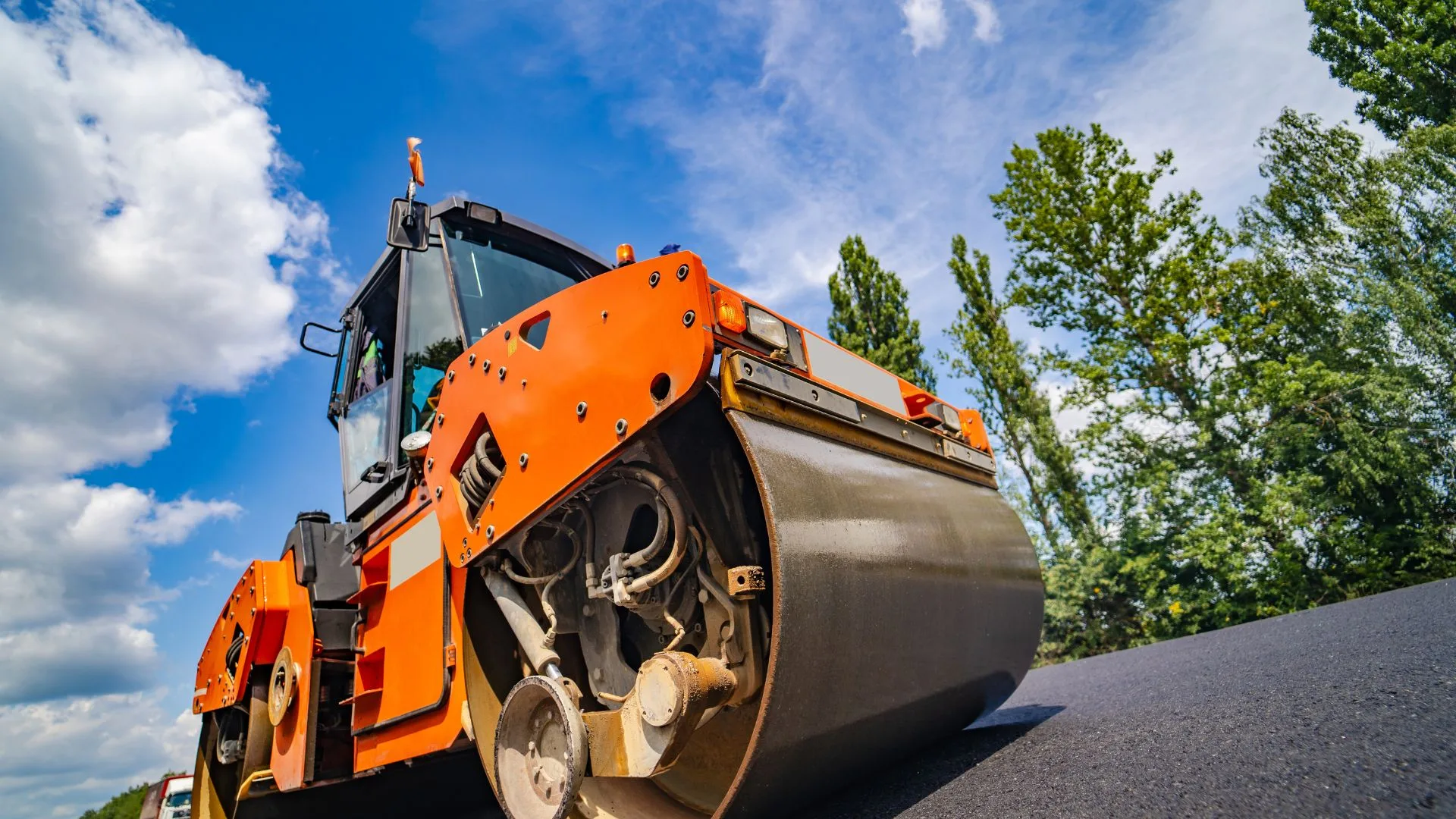
40/50 bitumen is used mainly in hot mix asphalt for the structural layers of busy pavements. Hot mix asphalt is aggregate coated with hot bitumen and laid while warm. Within Pro-Road Global’s range of bitumen and asphalt products, 40/50 handles the layers that carry the load. It performs best where wheel loads are high and dwell times are long.
Engineers specify 40/50 across several demanding jobs:
- High-modulus asphalt bases and deep-strength construction
- Binder courses beneath airport aprons, taxiways and runway shoulders
- Port pavements, container yards and heavy industrial floors
- A base binder for cutbacks, modified bitumens and surface treatments
In every case the appeal is the same: a hard, heat-stable binder that resists shoving and rutting under demanding service conditions.
How Is 40/50 Bitumen Produced and Controlled?
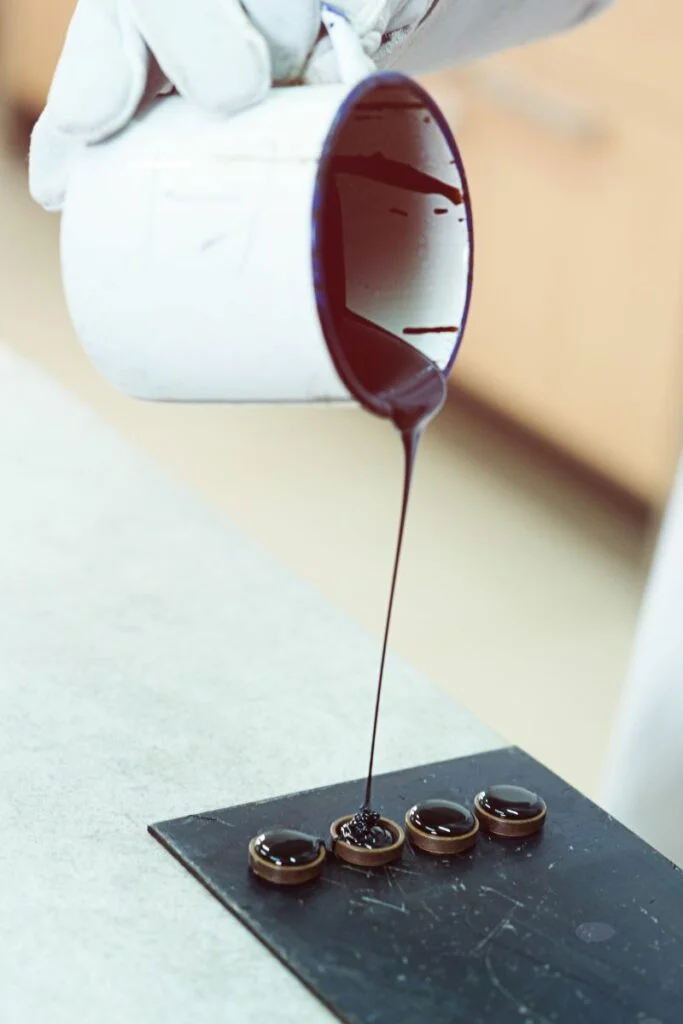
40/50 bitumen is produced by the fractional distillation of crude oil. In this process, refiners heat the crude and separate it into fractions by boiling point. Bitumen is the heaviest fraction, drawn from the base of the column. Refiners then process it to the target penetration. Because 40/50 is a hard grade, tight refinery control keeps every batch inside the 40 to 50 window.
At Pro-Road Global, every batch of asphalt is analysed before it ships. Where a project needs it, the binder is modified to the client specification. The company makes 40/50 to the international AASHTO norm. AASHTO is the American Association of State Highway and Transportation Officials. Pro-Road Global checks each shipment against AASHTO and ASTM test methods. Buyers receive a binder whose properties are verified against a recognised standard.
What Are the 40/50 Bitumen Specifications?
The 40/50 specifications appear in the table below. It pairs each property with its British Standard (BS EN) and AASHTO test methods, plus the specification limits.
| Property | Test Method (BS EN) | Test Method (AASHTO) | Specification |
|---|---|---|---|
| Penetration at 25°C (0.1 mm) | BS EN 1426 | AASHTO T 49 | 40-50 |
| Softening Point (°C) | BS EN 1427 | AASHTO T 53 | 46-54 |
| Ductility at 25°C (cm) | BS EN 13589/BS EN 13398 | AASHTO T 51 | Minimum 100 |
| Flash Point (°C) | BS EN ISO 2592 | AASHTO T 48 | Minimum 230 |
| Solubility in Trichloroethylene (%) | BS EN 12592 | AASHTO T 44 | Minimum 99.0 |
| Specific Gravity at 25°C | BS EN 15326 | AASHTO T 228 | 1.01-1.06 |
| Loss on Heating (wt%) | BS EN 12607-1 | AASHTO T 47 | Maximum 0.5 |
| Residue Penetration after Heating (%) | BS EN 1426 | AASHTO T 49 | Minimum 55 |
| Kinematic Viscosity at 135°C (mm²/s) | BS EN 12595 | AASHTO T 201 | 350-450 |
| Fraass Breaking Point (°C) | BS EN 12593 | AASHTO T 314 | Maximum -5 |
| Storage Stability (Difference in Softening Point, °C) | BS EN 13399 | AASHTO T 316 | Maximum 2 |
Download the 40/50 bitumen datasheet (PDF).
How Is 40/50 Bitumen Packaged for Export?
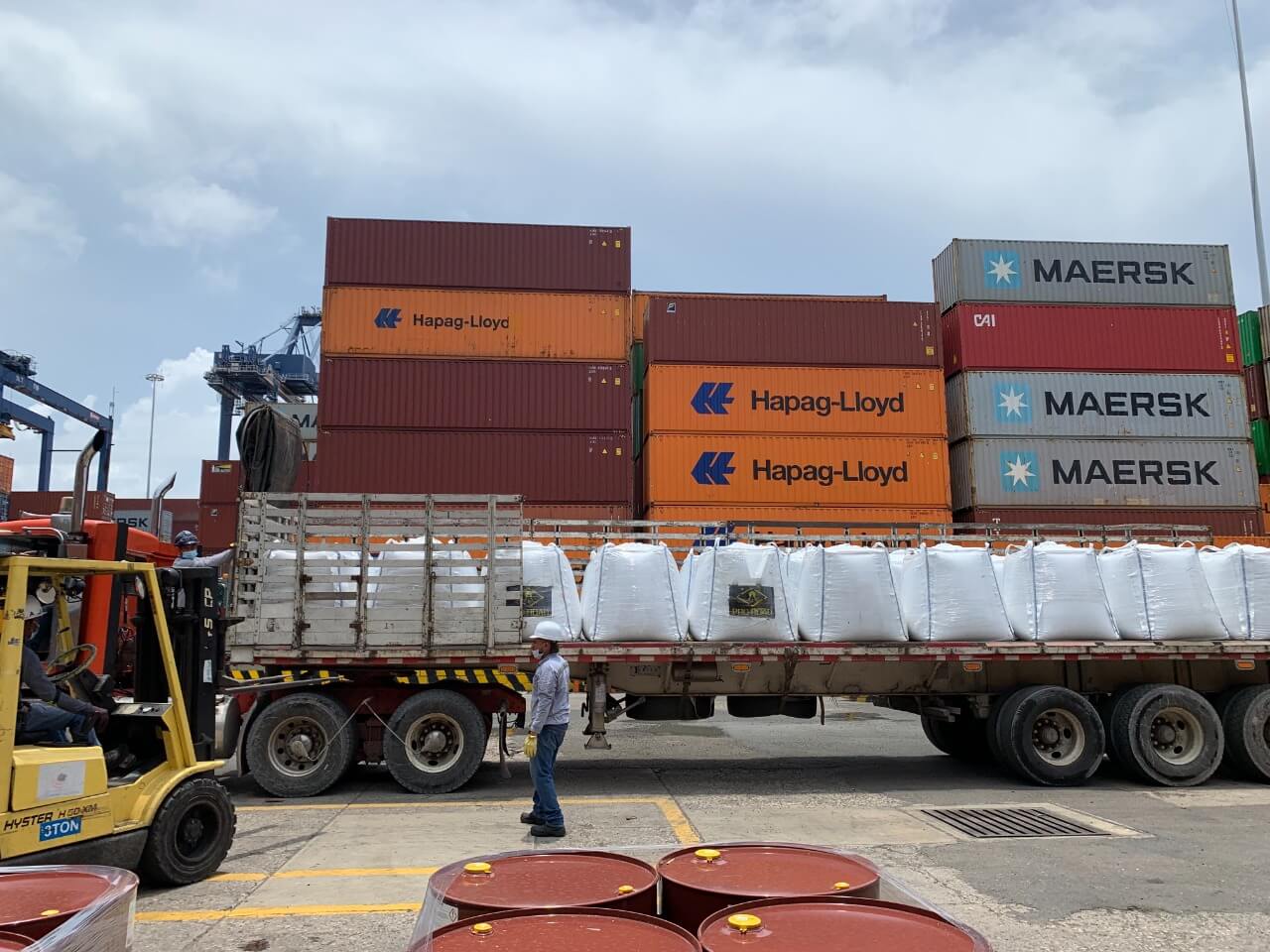
Pro-Road Global packs 40/50 bitumen for export in three formats:
- New steel drums. These hold 150 to 200 kg each for smaller or mixed orders.
- Big bags, also called bitu-bags. These carry 250 to 1,200 kg for bulk movements.
- Bitutainers. These ship bulk asphalt inside a container.
The right format depends on order volume, destination and the handling gear on site. Pro-Road Global palletises the product for long-haul sea freight. It ships to road-construction markets across Africa and Latin America. Destinations include Tanzania, South Africa and Senegal, among others.
Why Buy 40/50 Bitumen from Pro-Road Global?
You should buy 40/50 bitumen from Pro-Road Global because it controls the whole supply chain. The company is a vertically integrated manufacturer and exporter. It manages every stage from production to delivery. Pro-Road Global supplies its 40/50 bitumen from leading international refineries. This gives buyers in Latin America and Africa a reliable alternative source.
Storage and production capacity give the company a commercial edge. Pro-Road Global can hold asphalt prices for up to thirty days. Many international suppliers re-price weekly or even daily. On large structural contracts, that stability makes budgeting and procurement far more predictable.
What Do Buyers Ask About 40/50 Bitumen?
Should I specify 40/50 or 60/70 bitumen?
Specify 40/50 when the pavement faces the harshest heat and the heaviest, slowest loads. Both grades are hard, but 40/50 is the stiffer of the two. It suits high-modulus bases, ports and industrial pavements where rutting resistance comes first. For hot climates with more typical traffic, 60/70 penetration grade bitumen adds workability and often costs less.
Is 40/50 bitumen suitable for cold climates?
40/50 is not the best choice for cold regions. Its hardness and low penetration make it stiff at low temperatures. That stiffness raises the risk of thermal cracking compared with softer grades. It performs best in hot climates with sustained high pavement temperatures.
Why does 40/50 resist rutting better than softer grades?
40/50 resists rutting because it stays stiff at in-service pavement temperatures. Rutting is permanent deformation of the asphalt under repeated load. Its hardness and high softening point keep the mix from shoving under slow, heavy traffic. That is why engineers favour it for climbing lanes, junctions and ports.
Ready to Order 40/50 Penetration Bitumen?
Request a 40/50 bitumen quotation, technical datasheet or packing options from Pro-Road Global today. Reach our team through the contact page or email info@proroadglobal.com. We will get back to you quickly.
Contact us to get to work
We have a talented team, the best materials, tools, and equipment at your disposal.