




120/150 Penetration Grade Bitumen / Asphalt Cement
120/150 penetration grade bitumen, also called 120/150 asphalt cement, is the softest binder in Pro-Road Global’s penetration range. Its name comes from a needle penetration of 120 to 150 tenths of a millimetre (0.1 mm) at 25°C.
The deeper the needle sinks under the standard load, the softer and more flexible the binder. At this softness, 120/150 stays supple in cold weather, which is what high-altitude and cold-climate paving needs. Pro-Road Global manufactures and exports it to contractors, asphalt plants, and public-works agencies. It sits at the soft end of our penetration graded bitumen range.
Where Does 120/150 Bitumen Fit?
120/150 fits cold climates and high-altitude regions, where winter conditions drive pavement design. Grade selection is mostly a question of climate. Engineers specify 120/150 where the main risk is thermal or low-temperature cracking. In the cold, a stiff binder turns brittle and fractures as the pavement contracts. Because 120/150 is Pro-Road’s softest grade, it keeps its flexibility at low temperatures.
In warmer or busier settings, engineers step up to a harder binder. They use 60/70 penetration grade bitumen for temperate highways. For hot climates with slow, heavy loads, the stiff 40/50 penetration grade bitumen fits better. 120/150 suits light to moderate traffic in cold places. It also serves as a base binder in colder regions and wherever maximum flexibility matters. Typical spots include lower pavement layers and soft-base feedstock for cutbacks and emulsions.
Where Is 120/150 Asphalt Cement Used?
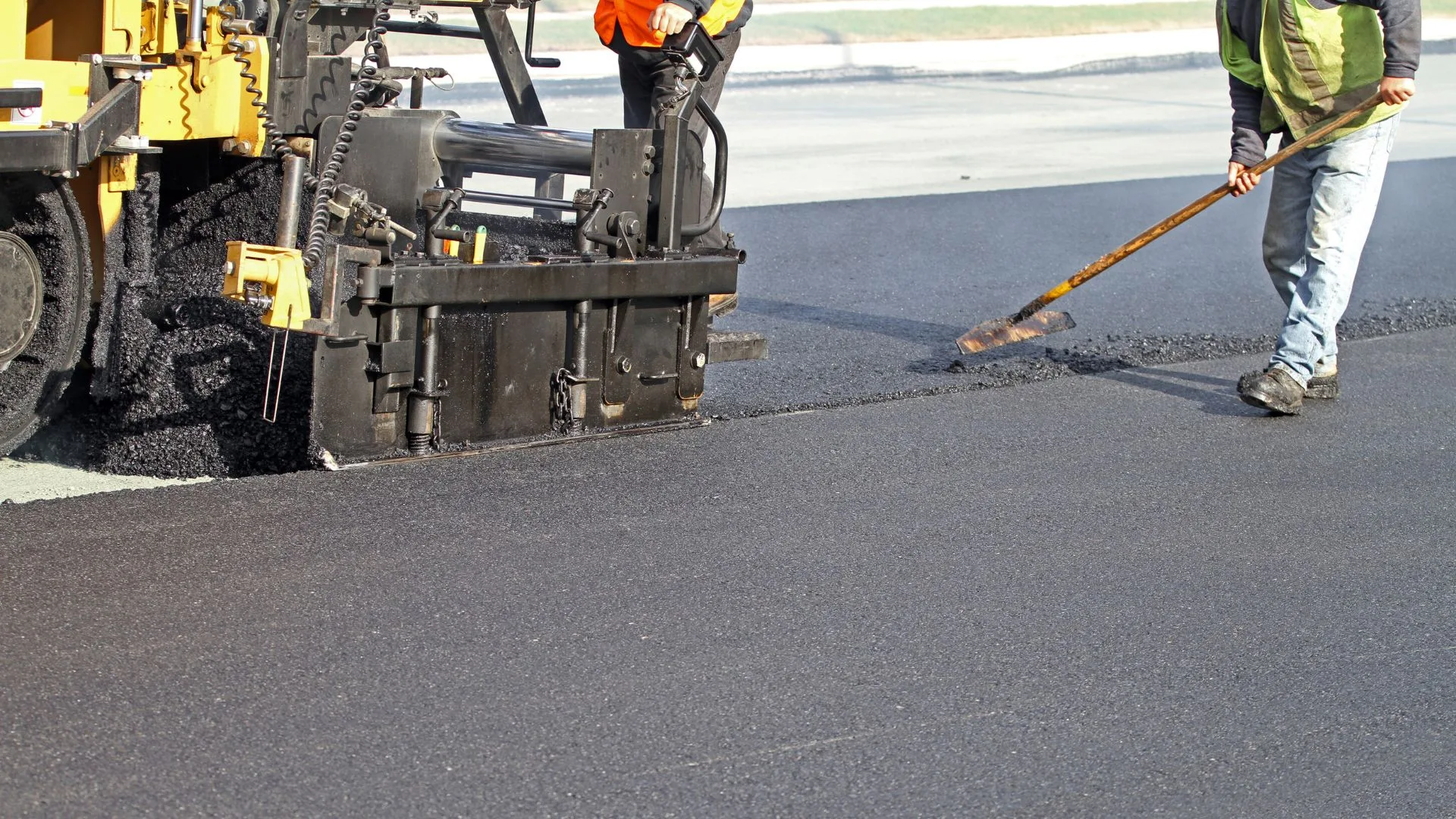
120/150 is used wherever flexibility matters most, mainly in cold-region road building. In hot mix asphalt, the plant-heated mix of binder and stone, it goes into base and binder courses. There, the soft binder lets the layer flex with movement and traffic instead of cracking. It suits pavements built through hard winters and high-altitude roads with wide temperature swings. Apart from structural layers, 120/150 also serves several manufactured and surface products:
- Base bitumen. Emulsions, cutback bitumen, and polymer-modified binders all start from a soft grade.
- Surface treatments. Sealing and jointing compounds rely on its ability to stay pliable.
- Waterproofing membranes. It grips aggregate and resists cracking under thermal stress.
Across these uses, the value is the same: 120/150 stays workable where stiffer binders fail in the cold. It belongs to Pro-Road Global’s wider range of bitumen and asphalt products for road construction.
How Is 120/150 Asphalt Cement Produced?
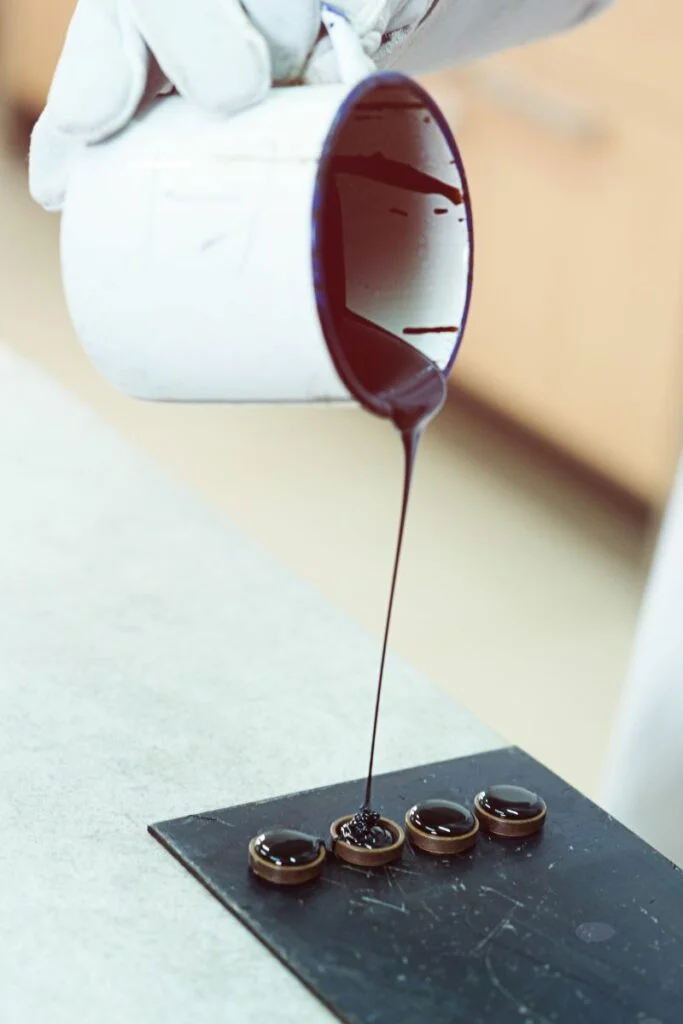
120/150 asphalt cement is produced by the fractional distillation of crude oil. In this process, crude is heated and split into fractions by boiling point. Bitumen is the heaviest fraction, left at the bottom of the column. Because 120/150 is a soft grade, it comes from lightly processed residue. That soft grade needs careful control to hit the 120 to 150 penetration window. Good control keeps it from drifting into a neighbouring grade.
At Pro-Road Global, every batch is analyzed and, where needed, modified to the client’s specification. So the binder delivered matches the standard the project is built to. Production follows the international AASHTO norm and the matching ASTM and BS EN test methods. The grade is verified by penetration, softening point, ductility, and the other tests in the table below. Softening point marks where the binder starts to flow; ductility shows how far it stretches before breaking.
What Are the 120/150 Bitumen Specifications?
The 120/150 specifications appear in the table below, under two test systems. One is the British Standard (BS EN); the other is the American Association of State Highway and Transportation Officials (AASHTO). Both test the same properties to the same limits, and only the method codes differ.
| Property | Test Method (BS EN) | Test Method (AASHTO) | Specification |
|---|---|---|---|
| Penetration at 25°C (0.1 mm) | BS EN 1426 | AASHTO T 49 | 120-150 |
| Softening Point (°C) | BS EN 1427 | AASHTO T 53 | 35-45 |
| Ductility at 25°C (cm) | BS EN 13589/BS EN 13398 | AASHTO T 51 | Minimum 100 |
| Flash Point (°C) | BS EN ISO 2592 | AASHTO T 48 | Minimum 230 |
| Solubility in Trichloroethylene (%) | BS EN 12592 | AASHTO T 44 | Minimum 99.0 |
| Specific Gravity at 25°C | BS EN 15326 | AASHTO T 228 | 1.01-1.06 |
| Loss on Heating (wt%) | BS EN 12607-1 | AASHTO T 47 | Maximum 0.5 |
| Residue Penetration after Heating (%) | BS EN 1426 | AASHTO T 49 | Minimum 55 |
| Kinematic Viscosity at 135°C (mm²/s) | BS EN 12595 | AASHTO T 201 | 350-450 |
| Fraass Breaking Point (°C) | BS EN 12593 | AASHTO T 314 | Maximum -5 |
| Storage Stability (Difference in Softening Point, °C) | BS EN 13399 | AASHTO T 316 | Maximum 2 |
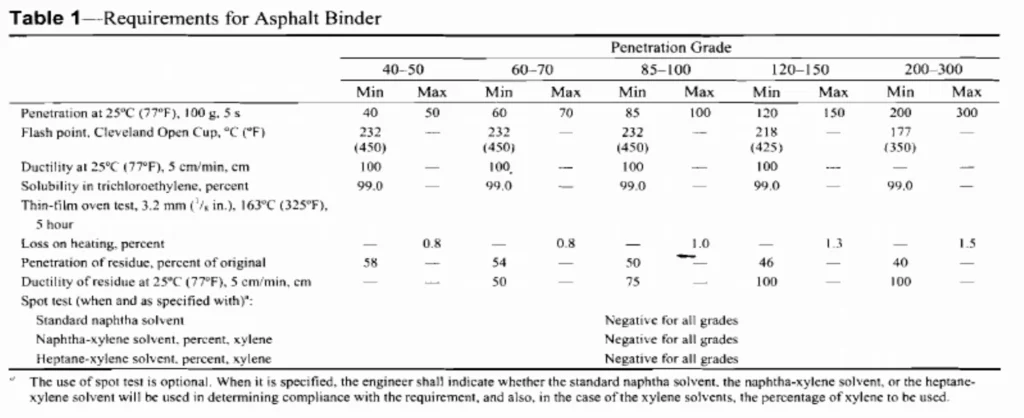
Download the 120/150 bitumen datasheet (PDF).
How Is 120/150 Bitumen Packaged for Export?
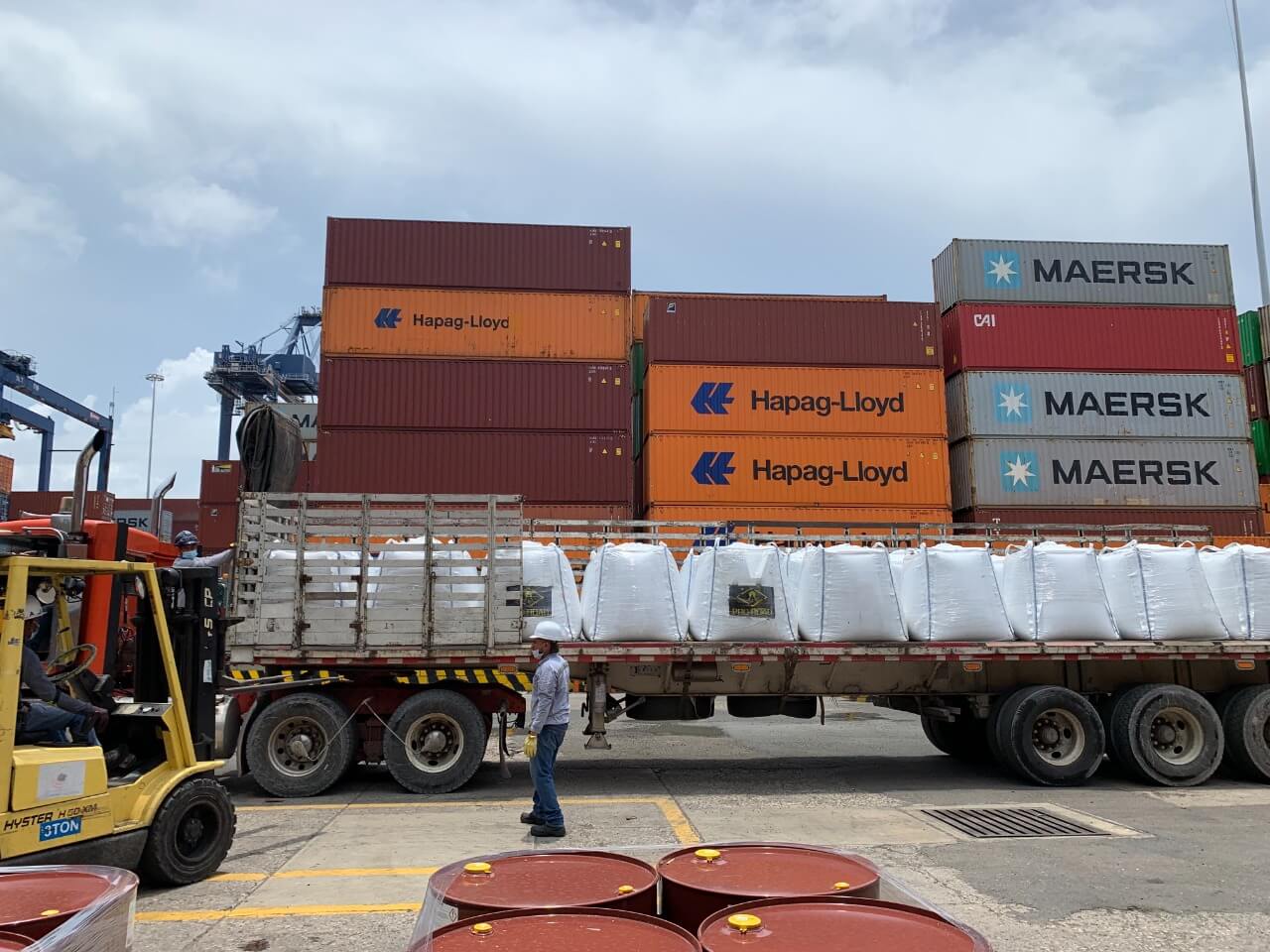
Pro-Road Global packages 120/150 for export in three formats:
- Steel drums. New drums hold 150 to 200 kg each.
- Big bags (bitu-bags). These hold 250 to 1,200 kg for bulk shipment.
- Bitutainers. These purpose-built containers give a high level of transport security.
The choice depends on volume, destination, and how the binder is handled on arrival. Big bags are the most common format for bulk export, since they store and move easily. Careful packaging keeps the soft 120/150 grade in good condition through transport and storage. It arrives ready for use in road construction.
Why Buy 120/150 from Pro-Road Global?
You should buy 120/150 from Pro-Road Global because it controls every stage, from production to delivery. Pro-Road Global is a vertically integrated manufacturer and exporter. Its 120/150 asphalt cement is supplied from leading international refineries. This gives buyers in Latin America and Africa a quality-controlled alternative source of supply.
Storage and production capacity let Pro-Road Global hold quoted prices for up to thirty days. Suppliers whose prices move weekly or daily cannot offer that stability. The price hold helps contractors budget cold-climate projects with confidence. Every order carries the same specification control used across the company’s penetration grade range.
What Do Buyers Ask About 120/150 Bitumen?
Buyers ask how 120/150 compares to nearby grades, why it is the softest, and whether it handles heat.
How is 120/150 bitumen different from 85/100?
Both are soft grades, but 120/150 is softer still. It runs 120 to 150 tenths of a millimetre (0.1 mm), versus 85 to 100 for 85/100 penetration grade bitumen. The choice comes down to how cold the site gets. Pick 120/150 for severe winters or high altitude, and 85/100 for temperate or moderately cold conditions.
Why is 120/150 the softest grade, and when does that matter?
120/150 is the softest because its penetration is the highest in Pro-Road’s range. Penetration measures how far a needle sinks under a set load, so higher numbers mean a softer binder. Softness matters when the binder must stay flexible in the cold and resist thermal cracking. That is why 120/150 suits cold and high-altitude regions and base layers that absorb movement.
Can 120/150 be used in hot climates?
Usually not as the first choice. In sustained heat, a soft binder like 120/150 can rut and deform under heavy traffic. Hot-climate surface courses therefore call for a harder grade. Where 120/150 is used in warmer areas, it stays in base courses or in emulsions and cutbacks.
Ready to Order 120/150 Penetration Bitumen?
Pro-Road Global exports 120/150 penetration bitumen to Latin America and Africa. Request a quote on our contact page or email info@proroadglobal.com. Our team will match the grade and packaging to your project.
Contact us to get to work
We have a talented team, the best materials, tools, and equipment at your disposal.