

60/70 Penetration Grade Bitumen / Asphalt Cement
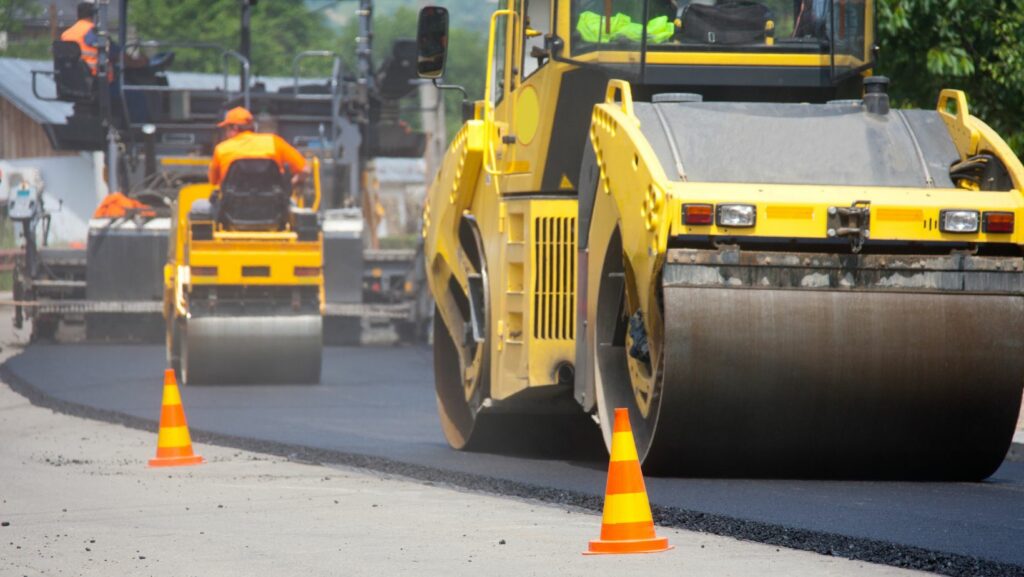
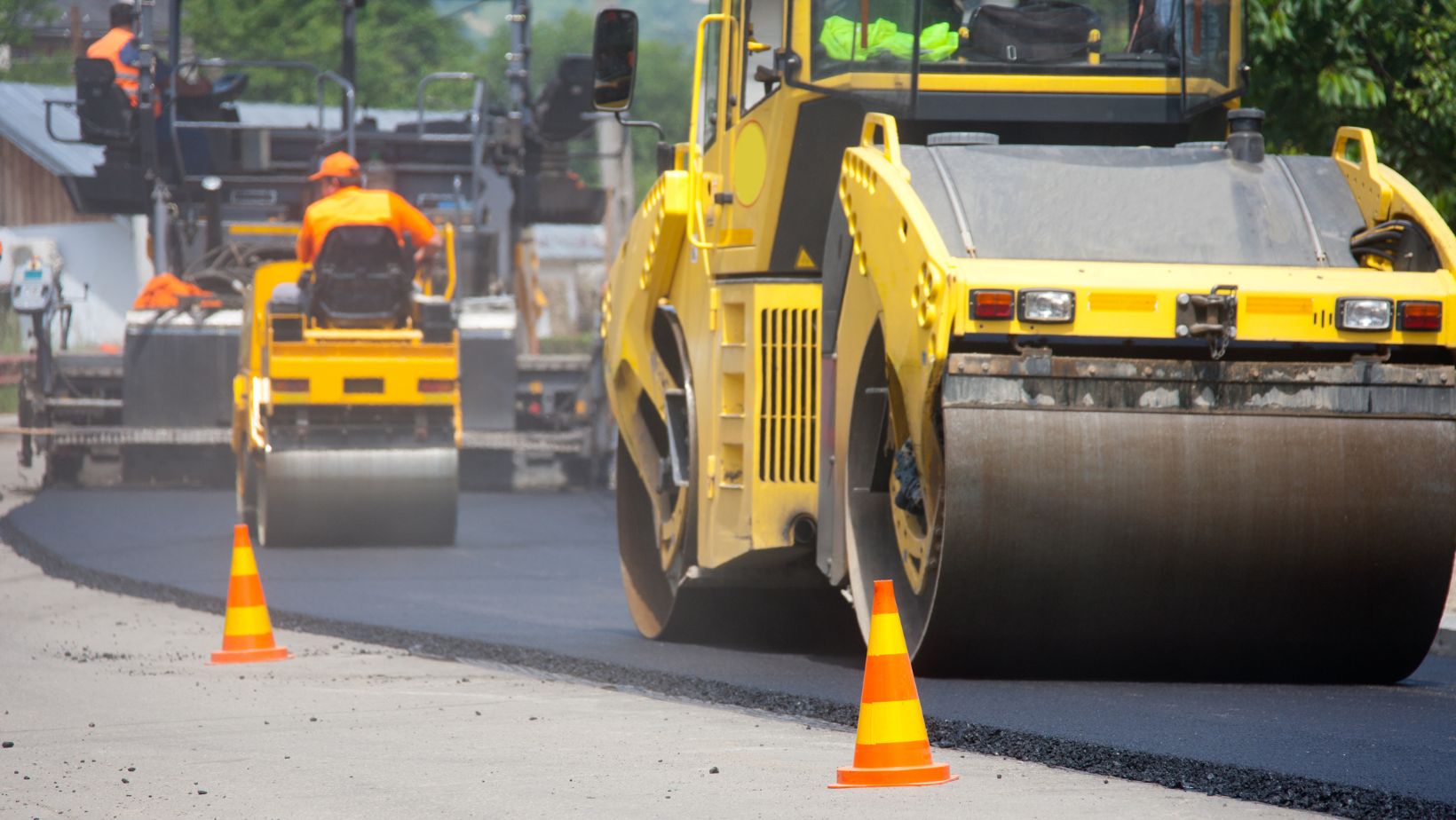
60/70 penetration grade bitumen, also called 60/70 asphalt cement, is the world’s most used paving binder. Under the standard test, a needle sinks 60 to 70 tenths of a millimetre (0.1 mm) into it.
That mid-range hardness makes 60/70 the default grade for highways and city streets worldwide. Pro-Road Global manufactures and exports penetration graded bitumen, and 60/70 is its most requested grade. Pro-Road ships it to road contractors and asphalt producers across Latin America and Africa.
Where does 60/70 penetration bitumen fit?
60/70 works best in moderate to hot climates, which cover most of the world’s paved roads. Engineers specify it for the wearing course, the top surface layer, and the binder course below. It carries moderate to heavy traffic without rutting in summer heat or cracking in mild winters.
Engineers use 60/70 as the default and only switch when conditions turn extreme. In consistently hot climates or under very heavy, slow loads, a harder 40/50 is specified. In cooler regions where low-temperature cracking is the main risk, a softer 120/150 penetration grade bitumen works better. This middle position is why Pro-Road exports 60/70 in its greatest volume. Shipments go to projects across Latin America and to Tanzania, South Africa and Senegal.
What is 60/70 asphalt cement used for?
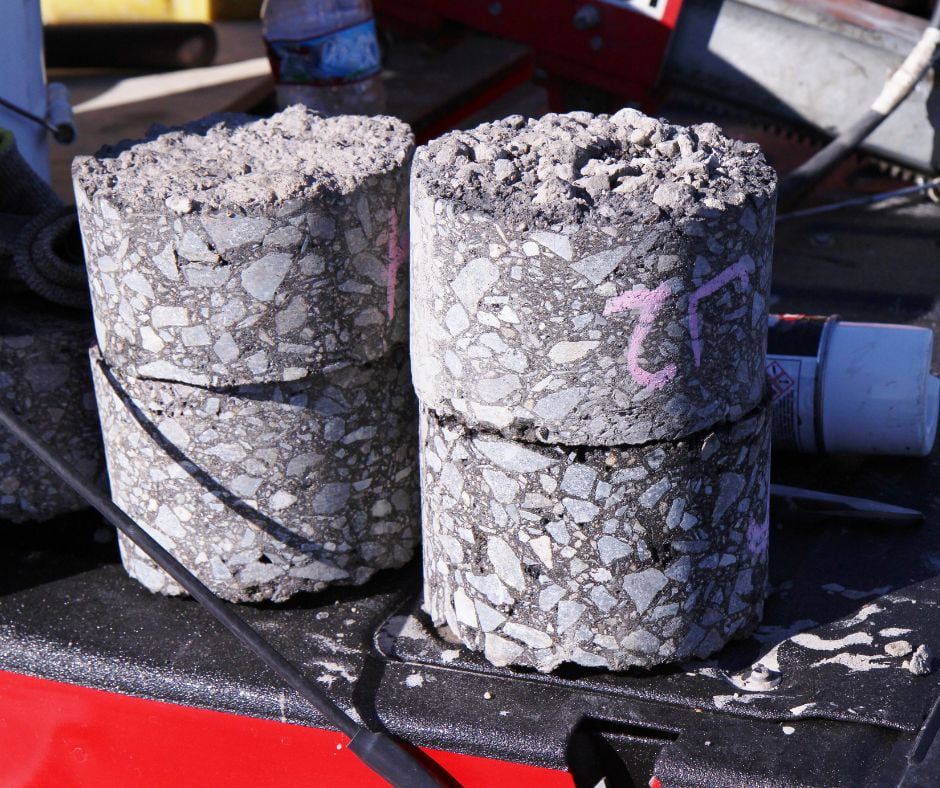
60/70 asphalt cement is used mainly in hot mix asphalt, the standard material for paved roads. It binds the mineral aggregate, the crushed stone and sand, into the wearing and binder courses. Its mid-range hardness lets the finished mat carry heavy traffic without deforming too much. Strong adhesion bonds the binder to the aggregate, and good water resistance protects the pavement.
60/70 also serves as the base binder for several other bituminous products and treatments:
- Emulsions and cutbacks. 60/70 is the base for these sprayable bituminous products.
- Modified bitumen. Polymers are added to 60/70 for higher-stress pavements.
- Surface treatments, sealing and jointing. 60/70 seals and protects road surfaces and joints.
- Waterproofing systems. The binder keeps water out of structures.
This versatility anchors Pro-Road’s range of bitumen and asphalt products.
How is 60/70 produced and quality controlled?
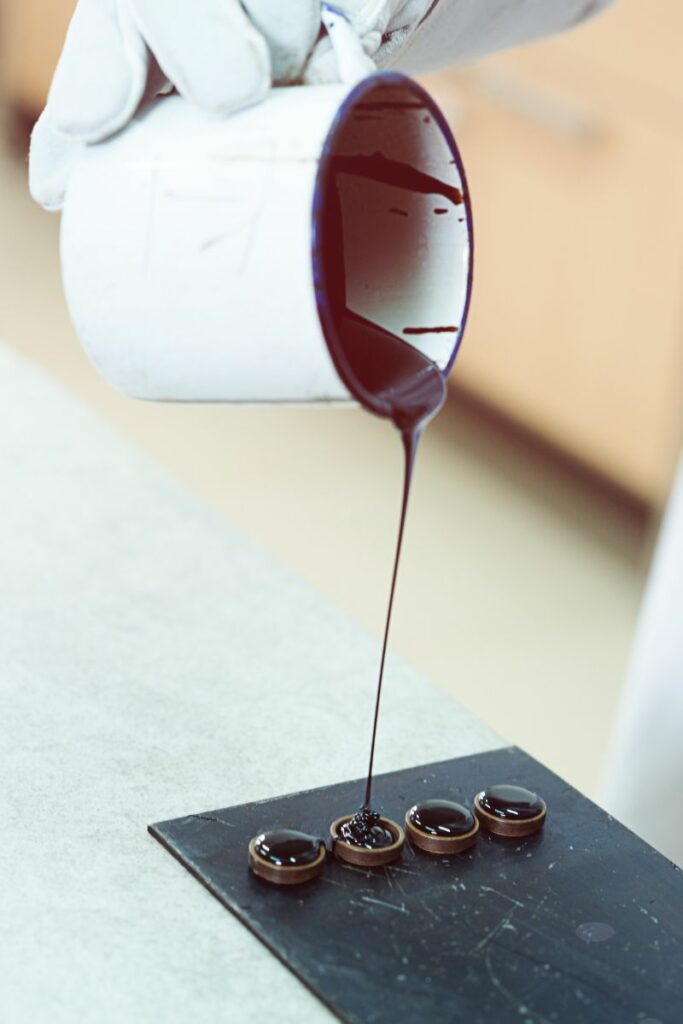
60/70 is produced by fractional distillation, which heats crude oil and separates it by boiling point. Bitumen comes from the heaviest fraction, then gets processed to reach the target penetration. Because the grade sets a range, not one value, every batch needs tight control and testing.
At Pro-Road, each batch of asphalt cement is analysed and modified to the client’s specification. Pro-Road makes its penetration grades to the AASHTO norm and matching ASTM and BS EN methods. Every consignment is checked against its penetration, softening point and ductility before shipment. Those measure the binder’s hardness, the heat it withstands and how far it stretches. So buyers receive a binder that performs to the grade they ordered.
What are the 60/70 bitumen specifications?
The 60/70 specifications appear in the table below, under both BS EN and AASHTO test methods. AASHTO stands for the American Association of State Highway and Transportation Officials. Both systems use the same limits and differ only in the test-method codes.
| Property | Test Method (BS EN) | Test Method (AASHTO) | Specification |
|---|---|---|---|
| Penetration at 25°C (0.1 mm) | BS EN 1426 | AASHTO T 49 | 60-70 |
| Softening Point (°C) | BS EN 1427 | AASHTO T 53 | 46-54 |
| Ductility at 25°C (cm) | BS EN 13589/BS EN 13398 | AASHTO T 51 | Minimum 100 |
| Flash Point (°C) | BS EN ISO 2592 | AASHTO T 48 | Minimum 230 |
| Solubility in Trichloroethylene (%) | BS EN 12592 | AASHTO T 44 | Minimum 99.0 |
| Specific Gravity at 25°C | BS EN 15326 | AASHTO T 228 | 1.01-1.06 |
| Loss on Heating (wt%) | BS EN 12607-1 | AASHTO T 47 | Maximum 0.5 |
| Residue Penetration after Heating (%) | BS EN 1426 | AASHTO T 49 | Minimum 55 |
| Kinematic Viscosity at 135°C (mm²/s) | BS EN 12595 | AASHTO T 201 | 350-450 |
| Fraass Breaking Point (°C) | BS EN 12593 | AASHTO T 314 | Maximum -5 |
| Storage Stability (Difference in Softening Point, °C) | BS EN 13399 | AASHTO T 316 | Maximum 2 |
Download the 60/70 bitumen datasheet (PDF).
How is 60/70 packaged for export?
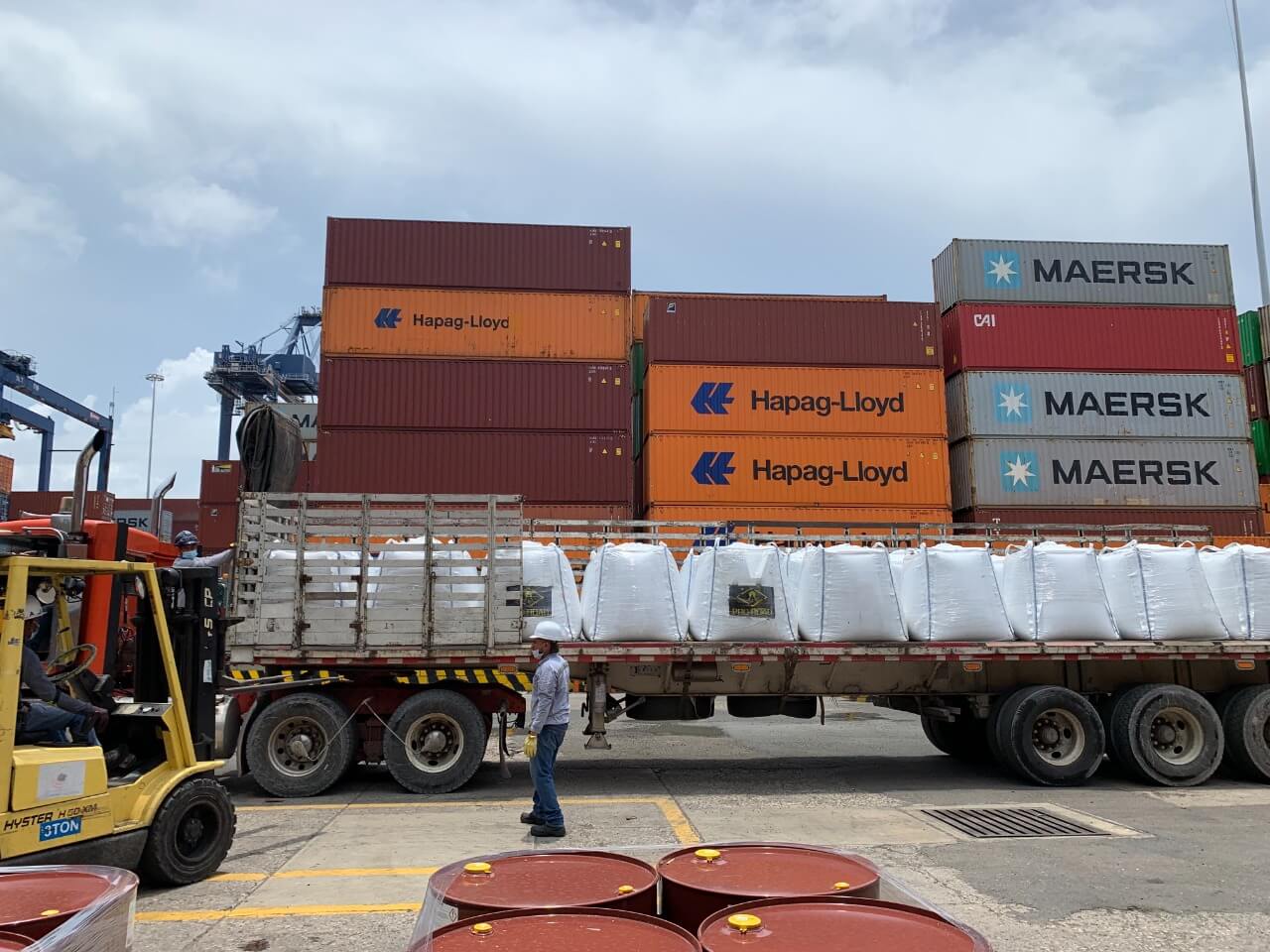
Pro-Road packs 60/70 for export in three formats, chosen to match your handling and volume needs:
- New steel drums. Each holds 150 kg to 200 kg and stacks well for container shipment.
- Big bags (bitu-bags). These hold 250 kg to 1,200 kg and suit bulk orders best.
- Bitutainers. These reusable bulk containers suit customers moving large, regular volumes.
Big bags are Pro-Road’s most common export format, and every option keeps the binder clean in transit.
Why buy 60/70 from Pro-Road Global?
You should buy 60/70 from Pro-Road Global because it controls quality and price from refinery to port:
- Vertical integration. Pro-Road manages every stage from production to delivery, keeping quality and paperwork consistent.
- Trusted refineries. Its 60/70 comes from leading international refineries, giving Latin America and Africa a dependable source.
- Stable prices. Storage and production capacity let Pro-Road hold agreed prices for up to thirty days.
Many international suppliers reprice weekly, so a fixed price helps contractors budget with confidence.
What do buyers ask most about 60/70 bitumen?
Buyers most often ask how 60/70 compares with neighbouring grades and why it is so widely specified.
Should you specify 60/70 or 40/50?
You should specify 60/70 for most projects in moderate to hot climates and normal traffic. Choose the harder 40/50 penetration grade bitumen only for very heavy, slow or channelled loads. That means industrial yards, ports and busy intersections, where lower penetration resists rutting better. If you are unsure, 60/70 is the safer default.
When should you move from 60/70 to 85/100?
Move from 60/70 to the softer 85/100 penetration grade bitumen when cold cracking is the main risk. This applies in cooler regions or at high altitude, where thermal cracking, not rutting, is the main failure mode. 85/100 stays flexible as temperatures fall, while 60/70 performs better in the heat. Matching the grade to your climate is the most important specifying choice.
Why is 60/70 the most widely specified grade?
60/70 is the most widely specified grade because it sits in the centre of the penetration range. That lets it perform across the widest range of climates and traffic without special modification. So most standards, contractors and asphalt plants treat 60/70 as their reference grade. It is also the grade Pro-Road stocks and exports most consistently.
Ready to Order 60/70 Penetration Bitumen?
Tell us your volume, destination and packaging preference through our contact page or email info@proroadglobal.com. Pro-Road Global will prepare a quotation for your project.
Contact us to get to work
We have a talented team, the best materials, tools, and equipment at your disposal.